Can a Septic Tank Be Installed on Any Property?
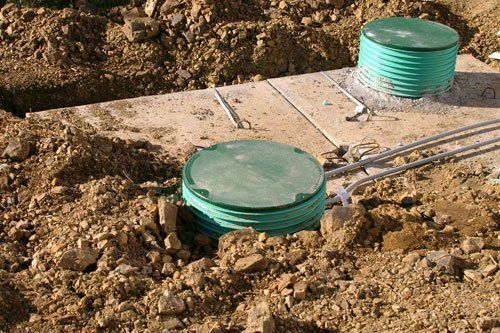
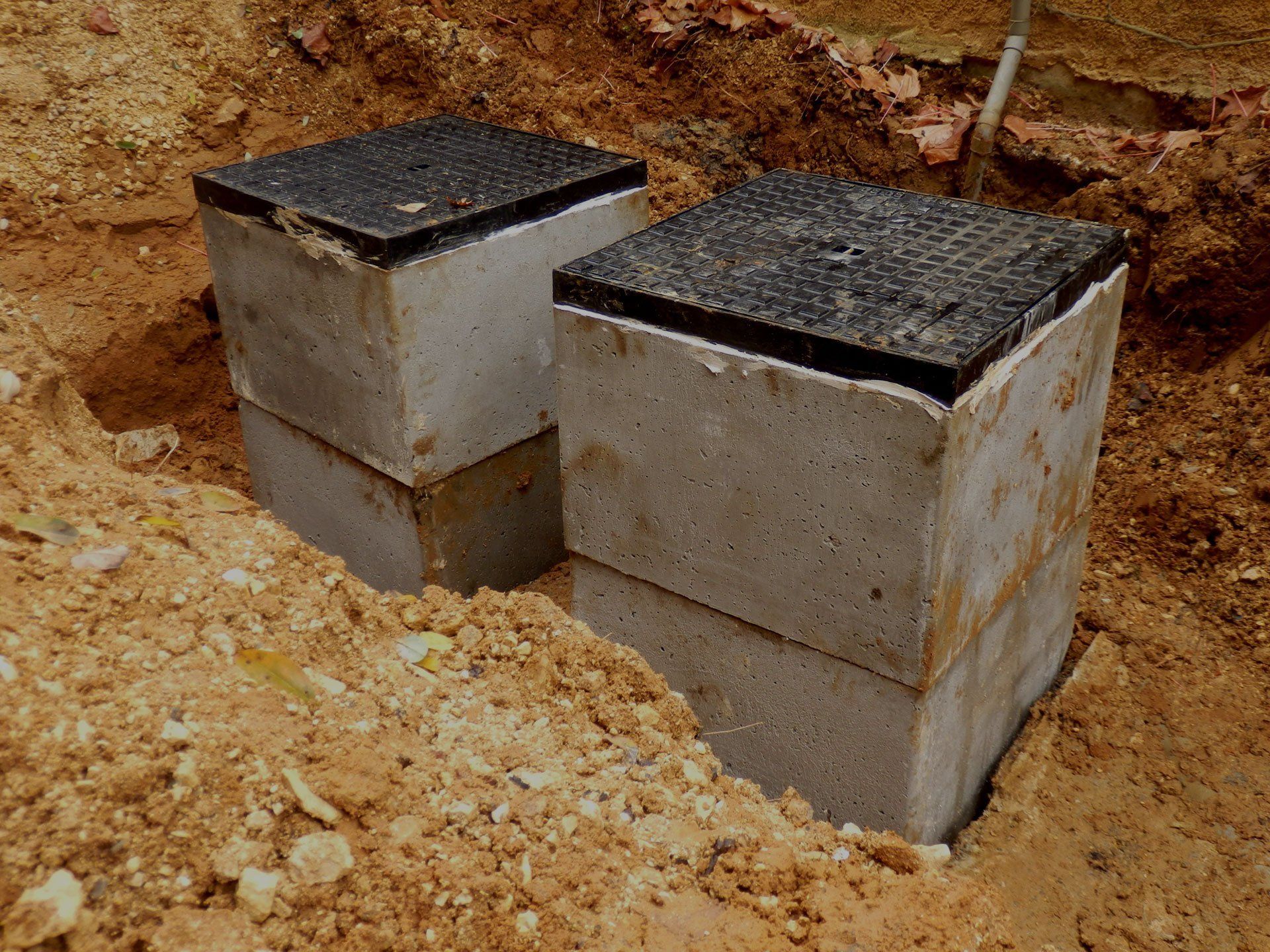
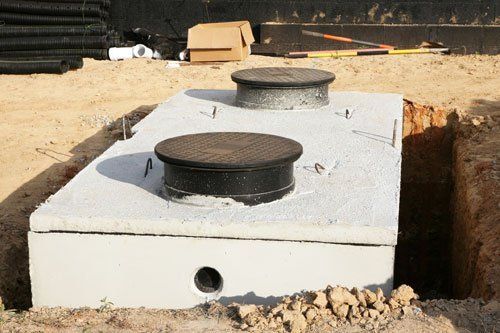
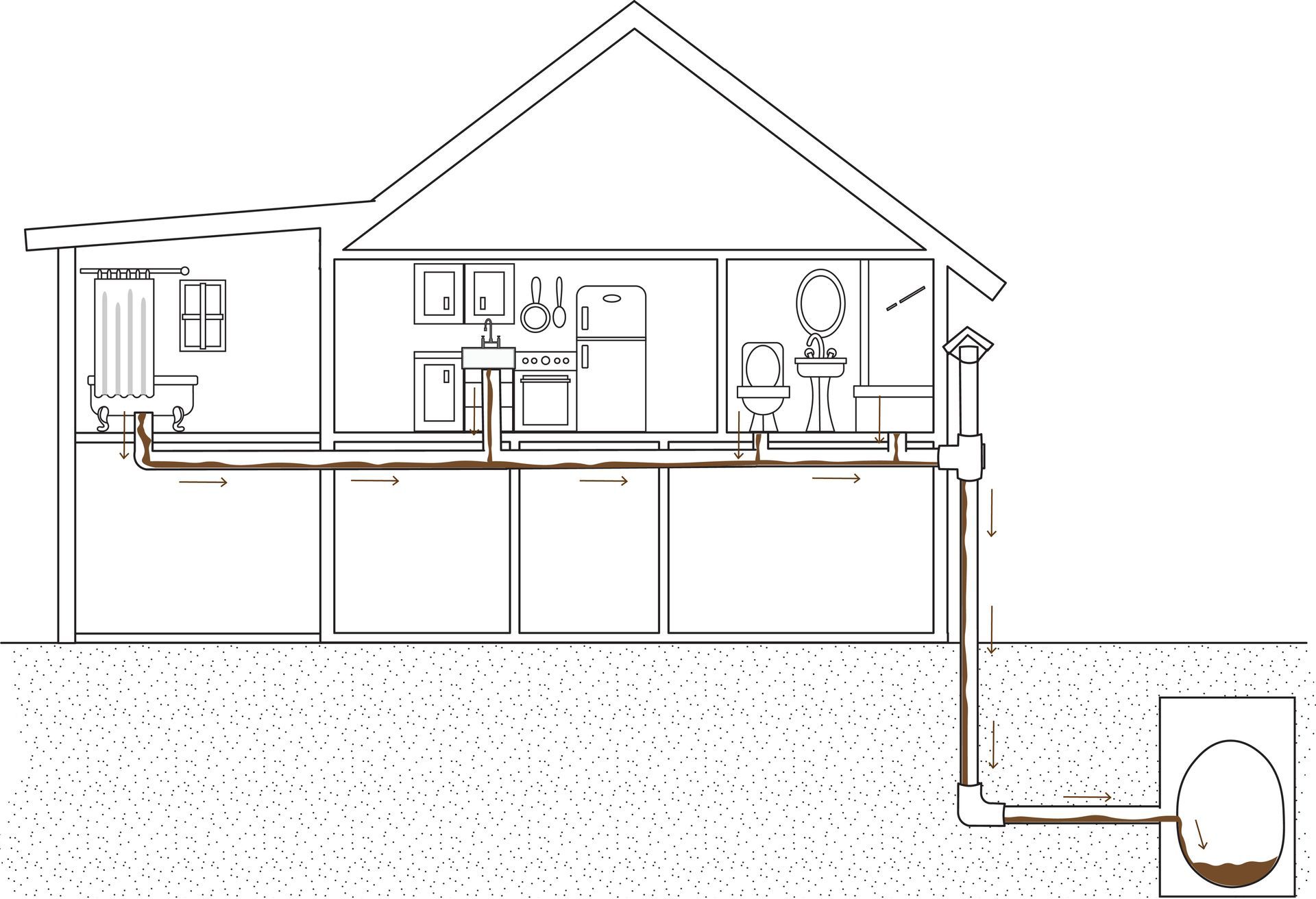
Septic systems provide an effective way to manage wastewater for homes and other properties that are not connected to a municipal sewer system. However, a septic tank cannot be installed on every property. Several factors must be evaluated before installation can begin, including soil conditions, available space, drainage, local regulations, and the property’s expected wastewater needs.
Understanding these requirements can help property owners determine whether a septic system is a practical option. A professional site evaluation is an important first step because installation mistakes can lead to wastewater backups, environmental concerns, costly repairs, and premature system failure.
Soil & Drainage Conditions
The soil surrounding a proposed septic system must be capable of absorbing and filtering wastewater from the drain field. If the soil drains too quickly, contaminants may reach groundwater before being treated properly. If the soil drains too slowly, wastewater may remain near the surface and cause pooling or backups.
Properties with heavy clay, shallow bedrock, a high water table, or poor drainage may require specialized system designs. In some cases, these conditions may make a conventional septic system impractical.
Available Space & Property Layout
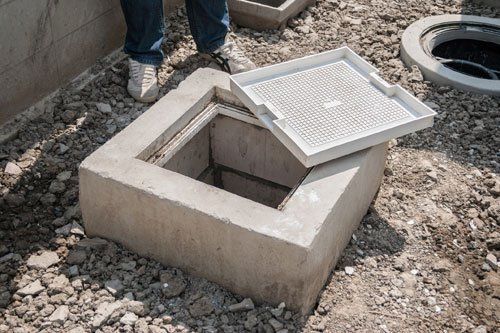
A septic system requires more than just room for the tank. The property must also have adequate space for a drain field, replacement drain field, access routes, and required setbacks from wells, buildings, property lines, water sources, and other features.
Small or densely developed lots may not provide enough space for a traditional system. Existing structures, driveways, landscaping, easements, and underground utilities can also affect where components may be installed.
Local Permits & Regulations
Septic tank installation is regulated by local health departments and other government agencies. Property owners may need to obtain permits, complete soil testing, submit a system design, and schedule inspections before the system can be approved.
Setback requirements, tank specifications, drain field standards, and maintenance obligations can vary by location. Failing to follow applicable regulations may delay the project or create problems when selling or refinancing the property.
Property Use & Wastewater Volume
A septic system must be properly sized for the property it serves. The number of bedrooms, occupants, bathrooms, appliances, and plumbing fixtures can all affect expected wastewater production. Commercial properties, rental homes, guest houses, and properties with other intensive uses may have additional requirements.
Installing a system that is too small can lead to frequent backups, drain field stress, and expensive repairs. A professional can evaluate the property’s intended use and recommend a system designed to handle its anticipated wastewater volume.
Are Alternative Septic Systems Available?
When a property cannot support a conventional septic system, an alternative design may be possible. Depending on the site conditions, options may include raised systems, mound systems, pressure distribution systems, aerobic treatment units, or other engineered solutions.
Alternative systems may require more complex equipment, ongoing maintenance, or specialized approval. They are not suitable for every property, but a qualified septic professional can help determine whether one may provide a practical solution.
Contact Our Septic Tank Installation Team to Request Support
A septic tank may be a reliable wastewater solution, but installation depends on the unique characteristics of each property. Soil, space, regulations, property use, and environmental conditions must all be considered before a system is designed and installed.
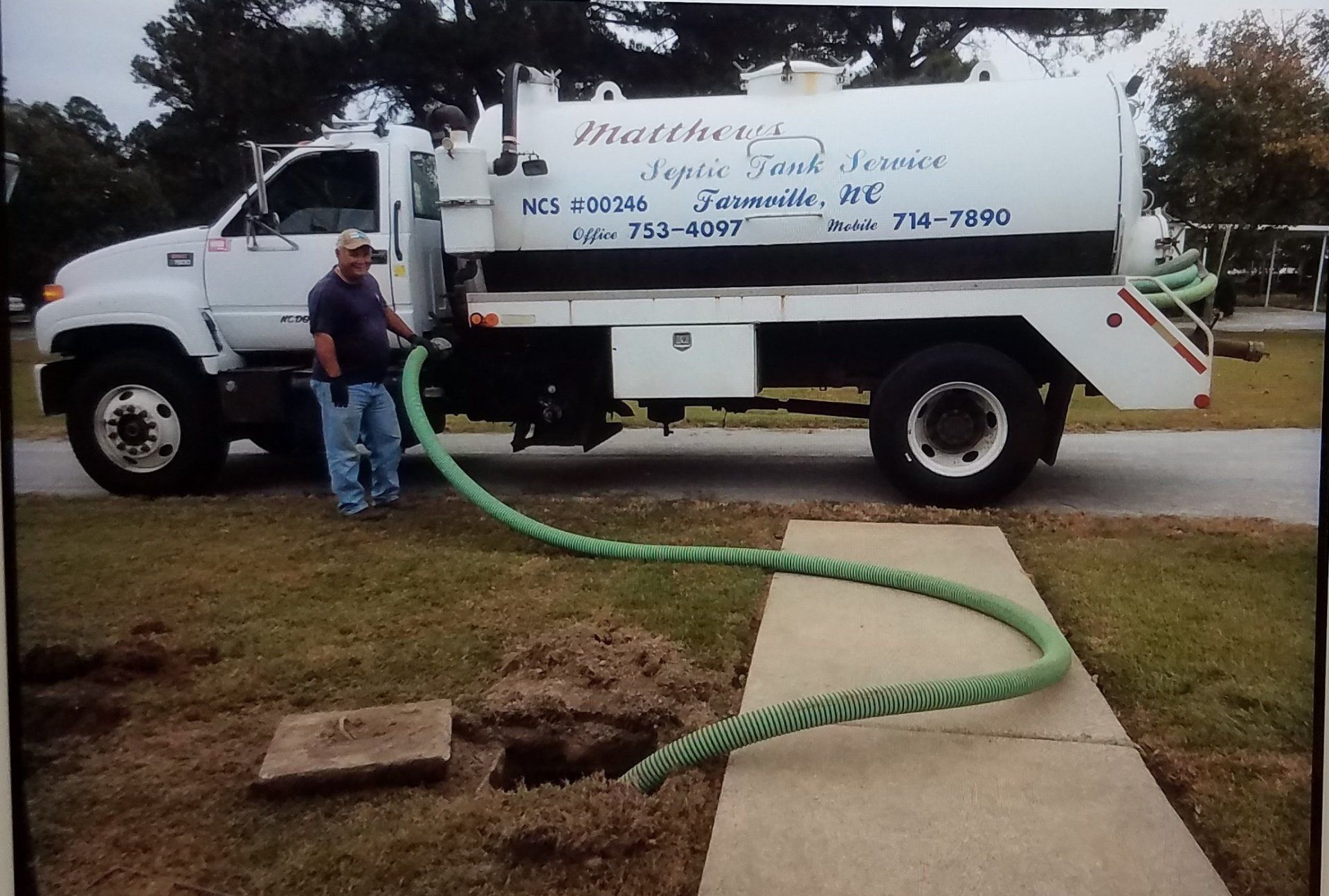
If you are planning new construction or need to replace an outdated septic system, be sure to contact one of the friendly team members at Matthews Septic Tank LLC! For years, our qualified crew members have continued to provide dedicated support across the Greenville, Snow Hill, and Wilson, NC areas. Give us a call and learn if your property is the right fit for the septic tank installation process.